
Delving into the realm of ecommerce trends in the US and Europe this year, we uncover the dynamic shifts and evolving landscape of online retail. From technological innovations to changing consumer behaviors, this exploration aims to provide a comprehensive look at the key factors driving the industry forward.
As we navigate through the intricacies of ecommerce trends in these regions, a tapestry of insights and trends unfolds, painting a vivid picture of the future of online shopping.
Top Ecommerce Trends in the US and Europe This Year
The ecommerce landscape in the US and Europe is constantly evolving, influenced by various factors such as consumer behavior, technological advancements, and market dynamics. Let's delve into the top trends that are currently shaping the ecommerce industry in both regions.
Top Ecommerce Trends in the US:
- Mobile Shopping Dominance: With the increasing use of smartphones, mobile shopping continues to dominate the ecommerce market in the US. Retailers are focusing on creating seamless mobile experiences to cater to the growing number of mobile shoppers.
- Personalization and AI: Ecommerce businesses in the US are leveraging artificial intelligence and machine learning to deliver personalized shopping experiences. From product recommendations to targeted marketing campaigns, AI is reshaping the way consumers interact with online stores.
- Social Commerce Integration: The integration of social media platforms with ecommerce websites is gaining momentum in the US. Brands are utilizing social commerce features to reach a wider audience and drive sales directly from social channels.
Comparison with European Ecommerce Trends:
- Cross-Border Ecommerce: European ecommerce trends are characterized by a strong focus on cross-border trade. Online retailers in Europe are increasingly expanding their reach beyond domestic markets to tap into international consumers.
- Sustainability and Ethical Practices: European consumers are placing a high emphasis on sustainability and ethical practices when making purchasing decisions. Ecommerce businesses in Europe are incorporating eco-friendly initiatives and transparent supply chains to meet consumer demands.
- Regulatory Compliance: The European ecommerce landscape is heavily influenced by regulatory frameworks such as GDPR. Ecommerce companies operating in Europe need to ensure compliance with data protection and consumer rights regulations.
Impact of the COVID-19 Pandemic:
- Rapid Digital Transformation: The COVID-19 pandemic has accelerated the digital transformation of the ecommerce industry in both the US and Europe. Brick-and-mortar retailers have shifted their focus towards online channels to adapt to changing consumer behaviors.
- Shift in Consumer Preferences: The pandemic has led to a shift in consumer preferences towards online shopping, with a growing number of first-time online shoppers in both regions. Ecommerce businesses have responded by enhancing their digital capabilities and scaling up their online operations.
- Contactless Delivery and Safety Measures: Ecommerce companies in the US and Europe have implemented contactless delivery options and stringent safety measures to ensure the health and well-being of their customers during the pandemic. These initiatives have become essential for maintaining customer trust and loyalty.
Consumer Behavior
In the rapidly evolving landscape of ecommerce, understanding consumer behavior is crucial for businesses to stay competitive and relevant in the market. Let's delve into the changes in consumer behavior towards online shopping in the US and Europe and explore how consumer preferences have evolved over the past year.
Increase in Mobile Commerce
The rise of mobile commerce has significantly influenced consumer behavior, with more people turning to their smartphones and tablets for making purchases. In the US and Europe, the convenience of shopping on-the-go has led to a surge in mobile transactions, reshaping the way consumers interact with online stores.
- Mobile shopping apps: The popularity of mobile shopping apps has soared, providing users with a seamless shopping experience and personalized recommendations.
- Mobile payment options: The integration of mobile payment options like Apple Pay, Google Pay, and digital wallets has made checkout processes faster and more secure, driving impulse purchases.
- Mobile optimization: Ecommerce websites that are optimized for mobile devices are seeing higher conversion rates, as consumers prefer shopping on responsive and user-friendly platforms.
Technology and Innovation
In the ever-evolving world of ecommerce, technology and innovation play a crucial role in shaping the consumer experience and driving growth for businesses. Let's explore how emerging technologies are transforming the landscape of online shopping in the US and Europe.
Role of AI and AR in Enhancing Ecommerce Experience
Artificial Intelligence (AI) and Augmented Reality (AR) are revolutionizing the way consumers interact with online stores. AI-powered chatbots provide personalized recommendations and assistance, enhancing customer service. AR technology allows customers to visualize products in real-time before making a purchase decision, improving user engagement and reducing returns.
Adoption of Voice Commerce and its Impact on the Industry
Voice commerce, enabled by virtual assistants like Amazon's Alexa and Google Assistant, is gaining popularity as consumers seek convenient ways to shop online. Voice-activated shopping offers a hands-free experience, allowing users to make purchases simply by using voice commands. This trend is expected to streamline the buying process and drive sales for ecommerce retailers.
Innovative Ecommerce Technologies in the US and Europe
Both the US and Europe are at the forefront of implementing cutting-edge technologies in ecommerce
Sustainability and Ethical Practices
In today's global market, sustainability and ethical practices play a crucial role in shaping the ecommerce landscape. Consumers are becoming increasingly conscious of the environmental and social impacts of their purchases, leading to a shift towards more sustainable and ethical shopping choices.
Companies Leading in Sustainable Ecommerce
- Patagonia: Known for its commitment to environmental sustainability, Patagonia leads the way in ethical ecommerce practices by using recycled materials and promoting fair labor practices.
- Everlane: This US-based company focuses on transparency in its supply chain and pricing, ensuring customers know the true cost of their products and the ethical practices behind them.
- Zalando: A European ecommerce giant, Zalando has made significant strides in promoting sustainability by offering a wide range of eco-friendly and ethically sourced products on its platform.
Consumer Demand for Ethically Sourced Products
- Consumers are increasingly demanding ethically sourced products, driving ecommerce companies to prioritize sustainability and ethical practices in their operations.
- Studies show that a growing number of consumers are willing to pay a premium for products that are ethically produced, reflecting a shift towards conscious consumerism.
- Ethical certifications, such as Fair Trade or Organic labels, are becoming more important to consumers when making purchasing decisions, influencing the product offerings of ecommerce platforms.
Cross-border Ecommerce
Cross-border ecommerce between the US and Europe has seen significant growth in recent years as businesses capitalize on the global market. The ease of online transactions and shipping options has made it more accessible for consumers to purchase products from international retailers.
Growth and Opportunities
- Cross-border ecommerce allows businesses to reach a larger customer base and tap into new markets.
- International expansion can lead to increased sales and revenue for companies.
- Global partnerships and collaborations can enhance brand visibility and reputation.
Challenges
- Legal and regulatory differences between countries can pose challenges for businesses navigating international markets.
- Currency exchange rates and payment processing can impact pricing and profitability.
- Logistical issues such as shipping delays and customs clearance can affect the customer experience.
Impact of Brexit
- The UK's exit from the EU has introduced complexities for cross-border ecommerce between the two regions.
- New tariffs and trade agreements may impact pricing and shipping costs for businesses operating in the UK and EU.
- Uncertainty around regulations and customs procedures post-Brexit can create challenges for companies expanding into the UK market.
Outcome Summary
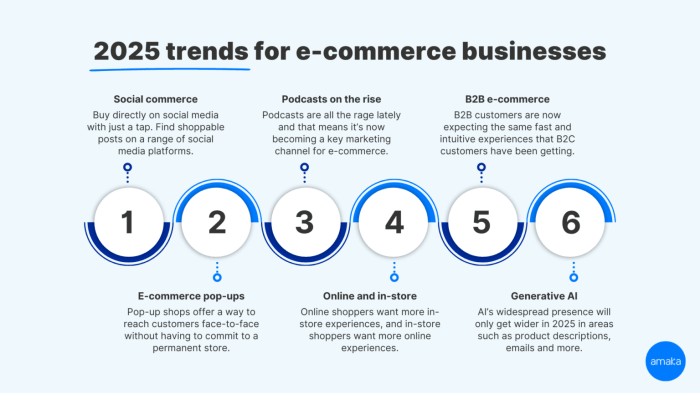
In conclusion, the convergence of consumer behavior, technological advancements, sustainability efforts, and cross-border commerce shapes the intricate tapestry of ecommerce trends in the US and Europe this year. As we move forward, adapting to the ever-changing landscape becomes paramount for businesses aiming to thrive in this competitive digital marketplace.
FAQ Explained
What are some key differences between ecommerce trends in the US and Europe?
The US market tends to focus more on fast delivery and convenience, while European consumers prioritize sustainability and ethical practices.
How has the COVID-19 pandemic impacted ecommerce trends in the US and Europe?
The pandemic accelerated the shift towards online shopping in both regions, with a significant increase in e-commerce sales and a growing reliance on digital platforms.
What role do emerging technologies like AI and AR play in enhancing the ecommerce experience?
AI and AR technologies are revolutionizing the way consumers interact with online stores, offering personalized recommendations and immersive shopping experiences.
How is sustainability influencing ecommerce trends in the US and Europe?
Companies are increasingly adopting sustainable practices to meet consumer demand for eco-friendly products, leading to a rise in environmentally conscious shopping habits.
What challenges do businesses face when expanding into international markets for cross-border ecommerce?
Businesses encounter obstacles such as navigating different regulations, cultural differences, and logistical complexities when venturing into international markets.