
Exploring the landscape of electric fleet maintenance unveils a myriad of challenges and technological advancements shaping the industry. From sustainable practices to training requirements, this topic delves into the future of maintaining electric vehicle fleets with a keen eye on efficiency and sustainability.
As we embark on this journey, we will uncover the key aspects that are driving the evolution of electric fleet maintenance in today's dynamic automotive landscape.
Challenges in Electric Fleet Maintenance
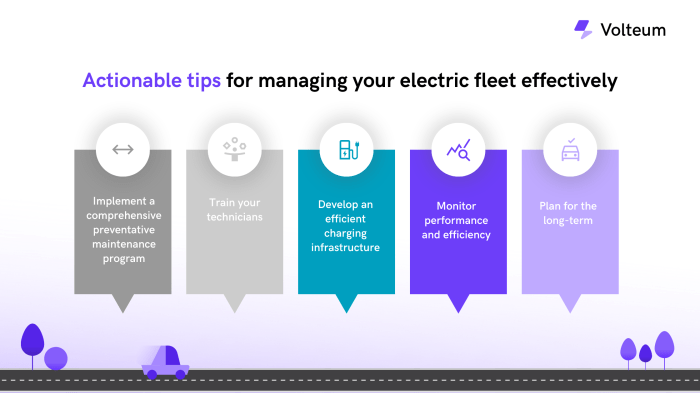
Electric vehicle fleets face unique challenges in maintenance due to their advanced technology and specific requirements. These challenges can significantly impact the efficiency and effectiveness of fleet operations.
Impact of Weather Conditions
Weather conditions play a crucial role in the maintenance of electric fleet vehicles. Extreme temperatures, such as cold winters or hot summers, can affect battery performance and overall vehicle efficiency. In cold weather, batteries may experience reduced range and efficiency, while high temperatures can lead to accelerated battery degradation.
It is essential for fleet managers to consider these factors and implement strategies to mitigate the impact of weather on their electric vehicles.
Unique Maintenance Requirements
Electric vehicles have distinct maintenance requirements compared to traditional internal combustion engine vehicles. One key difference is the maintenance of the battery pack, which is a critical component of an electric vehicle. Regular monitoring of battery health, charging habits, and temperature control are essential to prolonging battery life and ensuring optimal vehicle performance.
In addition, electric vehicles have fewer moving parts, leading to lower maintenance costs overall. However, specialized training and equipment are necessary to diagnose and repair electric vehicle components accurately.
Technology Advancements in Fleet Maintenance
In the realm of electric fleet maintenance, technological advancements have played a crucial role in optimizing operations and enhancing efficiency. The integration of Artificial Intelligence (AI), machine learning, predictive analytics, and Internet of Things (IoT) devices has revolutionized the way maintenance schedules are managed and maintenance needs are identified in electric vehicles.
Role of AI and Machine Learning in Optimizing Electric Fleet Maintenance Schedules
AI and machine learning algorithms have made it possible to analyze vast amounts of data collected from electric fleet vehicles to predict maintenance requirements accurately. By leveraging historical data, these technologies can forecast potential issues before they occur, allowing fleet managers to proactively plan maintenance schedules.
This predictive maintenance approach helps in minimizing downtime, reducing costs, and improving the overall performance of electric fleet vehicles.
Use of Predictive Analytics for Identifying Maintenance Needs in Electric Vehicles
Predictive analytics in electric fleet maintenance involves the use of algorithms to analyze data and predict when maintenance is required based on the vehicle's usage patterns, environmental conditions, and other parameters. By identifying potential issues in advance, fleet managers can address maintenance needs promptly, preventing breakdowns and ensuring the longevity of electric vehicles.
IoT Devices Revolutionizing Monitoring and Maintenance of Electric Fleet Vehicles
IoT devices, such as sensors and telematics systems, are instrumental in monitoring the health and performance of electric fleet vehicles in real-time. These devices collect data on various vehicle metrics, including battery health, energy consumption, and operational efficiency. By continuously monitoring this data, fleet managers can detect anomalies, track vehicle performance trends, and schedule maintenance tasks more effectively.
This proactive approach to monitoring and maintenance helps in maximizing the uptime of electric fleet vehicles and optimizing their overall lifecycle.
Sustainable Practices in Electric Fleet Maintenance
Implementing sustainable practices in electric fleet maintenance is crucial for reducing the environmental impact of these operations. By adopting eco-friendly maintenance practices and utilizing renewable energy sources, fleet managers can contribute to a greener future while optimizing the performance of their electric vehicles.
Eco-Friendly Maintenance Practices
- Regularly inspect and maintain the vehicles to ensure they are operating efficiently, reducing energy consumption and emissions.
- Use biodegradable and non-toxic cleaning products to minimize environmental harm during vehicle cleaning processes.
- Implement a proper tire maintenance program to improve fuel efficiency and reduce the carbon footprint of the fleet.
Benefits of Renewable Energy Sources for Charging
- Utilizing solar panels or wind turbines to generate electricity for charging electric fleet vehicles can significantly reduce greenhouse gas emissions.
- Cost savings in the long run as renewable energy is often cheaper and more sustainable compared to traditional electricity sources.
- Enhanced energy security by reducing dependence on fossil fuels and grid electricity.
Innovative Approaches to Reduce Environmental Impact
- Implementing predictive maintenance techniques using data analytics to identify potential issues before they become major problems, reducing the need for extensive repairs and replacements.
- Optimizing route planning and scheduling to minimize energy consumption and emissions during fleet operations.
- Exploring the use of recycled materials in vehicle maintenance and repair processes to reduce waste and promote sustainability.
Training and Skill Development for Electric Fleet Maintenance
Electric fleet vehicles require specialized training for technicians to maintain them effectively. As the automotive industry shifts towards electric vehicles, it is crucial for mechanics to upskill and adapt to the intricate technology present in these vehicles. Certifications play a significant role in ensuring that technicians are equipped to provide quality maintenance for electric fleet vehicles.
Specialized Training Programs
Specialized training programs are essential for technicians to gain the knowledge and skills required to maintain electric fleet vehicles. These programs cover topics such as battery management, electrical systems, and software diagnostics specific to electric vehicles.
Importance of Upskilling
Upskilling mechanics to handle the advanced technology in electric vehicles is crucial to ensure efficient maintenance and repair services. Technicians need to understand the unique components and systems in electric fleet vehicles to diagnose and address issues effectively.
Role of Certifications
Certifications in electric vehicle maintenance validate the expertise of technicians and ensure that they meet industry standards for servicing electric fleet vehicles. These certifications demonstrate a technician's proficiency in handling electric vehicle technology and contribute to the overall quality of maintenance services.
Last Word
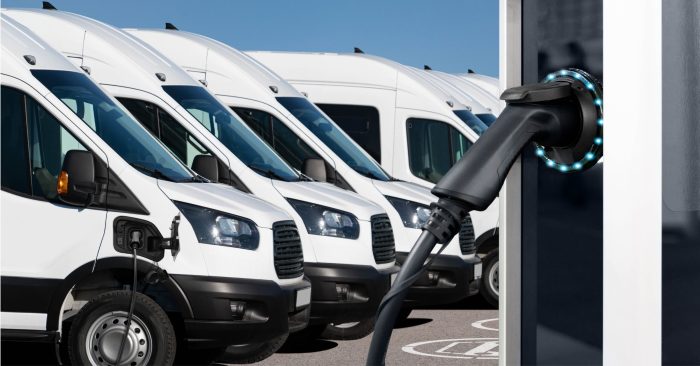
In conclusion, the future of electric fleet maintenance holds promise for a greener and more efficient transportation sector. By embracing sustainable practices, leveraging cutting-edge technologies, and investing in specialized training, the industry is poised for a transformative shift towards eco-friendly and innovative fleet maintenance operations.
FAQ Explained
What are some key challenges faced in maintaining electric vehicle fleets?
Electric vehicle fleets often face challenges related to infrastructure for charging, specialized maintenance requirements, and the availability of skilled technicians trained in electric vehicle technology.
How do IoT devices revolutionize the monitoring and maintenance of electric fleet vehicles?
IoT devices enable real-time monitoring of vehicle performance, predictive maintenance alerts, and data-driven insights that optimize maintenance schedules and enhance overall fleet efficiency.
What are some eco-friendly maintenance practices for electric vehicle fleets?
Eco-friendly maintenance practices include using biodegradable cleaning products, recycling used vehicle components, and implementing energy-efficient charging solutions powered by renewable sources.
Why is upskilling mechanics important for handling the technology in electric vehicles?
Upskilling mechanics ensures that they are equipped to diagnose and repair the intricate technology in electric vehicles, leading to efficient maintenance practices and enhanced vehicle performance.
How do certifications contribute to ensuring quality maintenance of electric fleet vehicles?
Certifications validate the expertise of technicians in electric vehicle maintenance, ensuring that industry standards are met and quality service is provided to maintain the reliability and safety of electric fleet vehicles.