
Exploring the variances between a mechanic and a garage technician sheds light on the distinct roles they play in the automotive industry. From their responsibilities to the skills they possess, each position offers a unique perspective on vehicle maintenance and repair.
As we delve deeper into the topic, you'll gain a comprehensive understanding of what sets these two professions apart and the paths individuals take to excel in their respective fields.
Definition and Scope
Mechanics and garage technicians play crucial roles in the automotive industry, but they have distinct responsibilities and skill sets.
Roles of a Mechanic
Mechanics are skilled professionals who specialize in the repair and maintenance of vehicles. They diagnose mechanical issues, perform repairs, and conduct routine maintenance tasks such as oil changes, brake replacements, and engine tune-ups. Mechanics work on a wide range of vehicles, including cars, trucks, and motorcycles.
Roles of a Garage Technician
Garage technicians, on the other hand, focus on the technical aspects of vehicle maintenance and repair. They are responsible for using diagnostic equipment to identify electrical and computer-related problems in vehicles. Garage technicians specialize in areas such as electronic systems, fuel injection, and emissions control.
They work closely with mechanics to troubleshoot complex technical issues.
Skills Required for Mechanics
- Strong mechanical aptitude
- Proficiency in using hand and power tools
- Knowledge of engine systems and components
- Ability to interpret technical manuals and diagrams
- Troubleshooting skills to diagnose and fix mechanical issues
Skills Required for Garage Technicians
- Expertise in using diagnostic tools and equipment
- Understanding of electrical systems in vehicles
- Knowledge of computerized engine control systems
- Ability to analyze data and interpret technical information
- Proficiency in reading and understanding wiring diagrams and schematics
Educational Background
When it comes to the educational background required for becoming a mechanic or a garage technician, there are specific paths and requirements that individuals need to fulfill.
Typical Educational Requirements for Becoming a Mechanic
Typically, to become a mechanic, individuals need to complete a high school diploma or equivalent. While formal education beyond high school is not always required, many mechanics opt to pursue post-secondary vocational training programs or associate degrees in automotive technology.
These programs provide a solid foundation in automotive repair and maintenance practices.
Training and Certifications Needed to Work as a Garage Technician
Garage technicians, on the other hand, often need to complete specialized training programs offered by technical schools or community colleges. These programs focus on specific areas such as electrical systems, engine repair, or brake systems. Additionally, garage technicians may need to obtain certifications from organizations like the National Institute for Automotive Service Excellence (ASE) to demonstrate their skills and knowledge in the field.
Comparing Paths to Becoming a Mechanic versus a Garage Technician
- Mechanics typically focus on general automotive repair and maintenance, while garage technicians may specialize in specific areas of vehicle maintenance.
- Garage technicians often require more specialized training and certifications compared to mechanics.
- Both mechanics and garage technicians can further their education and skills through on-the-job training and continuing education programs.
Tools and Equipment
When it comes to the tools and equipment used by mechanics and garage technicians, there are distinct differences based on the nature of their work and responsibilities. Mechanics primarily focus on repairing and maintaining vehicles, while garage technicians specialize in diagnosing and fixing complex electronic issues.
Tools Used by Mechanics:
- Wrenches
- Screwdrivers
- Ratchets and sockets
- Pliers
- Impact wrenches
- Jack stands
Specialized Equipment for Garage Technicians:
- Diagnostic scanners
- Oscilloscopes
- Engine analyzers
- Wheel alignment machines
- Smoke machines for detecting leaks
- Hydraulic lifts
Differences in Tools and Equipment:
While mechanics rely on basic hand tools and equipment to perform mechanical repairs, garage technicians use advanced diagnostic tools and specialized machinery to address complex electronic issues in modern vehicles. The tools used by mechanics are essential for tasks like engine repairs, brake replacements, and general maintenance, whereas garage technicians require sophisticated equipment to troubleshoot intricate electrical systems and computer-controlled components.
Work Environment
In the automotive industry, both mechanics and garage technicians work in diverse environments that impact their daily tasks and overall job satisfaction.
Typical Work Settings
Mechanics typically work in repair shops, dealerships, or automotive service centers. On the other hand, garage technicians often work in independent garages, tire shops, or specialty automotive repair shops.
Working Conditions and Safety Considerations
Mechanics are often exposed to loud noises, extreme temperatures, and hazardous chemicals while working on vehicles. Garage technicians also face similar conditions, especially when dealing with heavy machinery and equipment. Both roles require strict adherence to safety protocols to prevent accidents and injuries.
Challenges Faced by Mechanics and Garage Technicians
- Mechanics may encounter challenges such as diagnosing complex issues in vehicles, dealing with demanding customers, and working under tight deadlines to complete repairs.
- Garage technicians face challenges like staying updated on the latest technology and tools, managing multiple repair jobs simultaneously, and maintaining a clean and organized workspace.
Final Thoughts
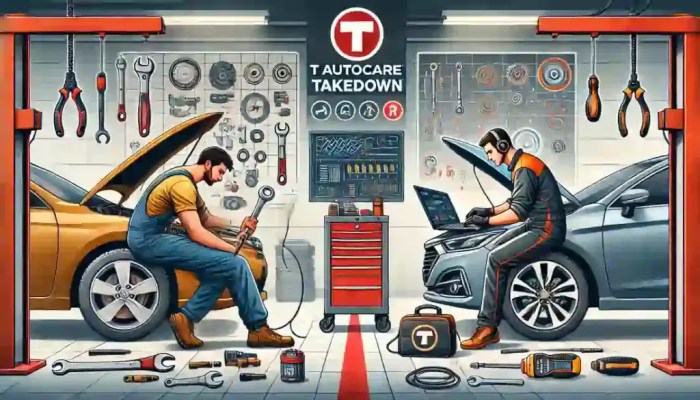
In conclusion, the difference between a mechanic and a garage technician is not merely in their titles but also in the specific tasks they perform and the expertise they bring to the table. Whether you're considering a career in automotive repair or simply curious about the inner workings of a garage, this comparison highlights the nuances between these vital roles.
Detailed FAQs
What distinguishes a mechanic from a garage technician?
A mechanic typically focuses on diagnosing and repairing mechanical issues in vehicles, while a garage technician specializes in using advanced equipment for complex repairs.
What educational background is required to become a mechanic?
Becoming a mechanic often involves completing vocational training programs or obtaining an associate degree in automotive technology.
What tools do mechanics commonly use in their work?
Common tools used by mechanics include wrenches, socket sets, diagnostic scanners, and impact guns.
What work environment can a garage technician expect?
Garage technicians often work in specialized repair shops or dealership service centers, where they handle intricate repair tasks using state-of-the-art equipment.