
Embarking on the journey of starting a successful ecommerce business from scratch opens up a world of opportunities and challenges. As we delve into the intricacies of building an online empire, we uncover the key steps and strategies that pave the way for entrepreneurial success in the digital realm.
From market research to product sourcing, from website design to marketing tactics, this guide equips you with the essential knowledge to kickstart your ecommerce venture with confidence and flair.
Research and Planning
When starting an ecommerce business from scratch, thorough research and meticulous planning are essential to ensure success in a competitive market. By investing time and effort into understanding your target audience, creating a solid business plan, and analyzing competitors, you can position your business for growth and sustainability.
Importance of Market Research
Market research is the foundation of a successful ecommerce business as it provides valuable insights into consumer behavior, preferences, and market trends. Conducting market research allows you to identify opportunities, understand customer needs, and tailor your products or services to meet demand effectively.
- Utilize online surveys, focus groups, and social media analytics to gather data on your target market.
- Study industry reports, competitor websites, and customer reviews to gain a comprehensive understanding of the market landscape.
- Identify emerging trends and consumer preferences to stay ahead of the competition and adapt your business strategy accordingly.
Identifying Target Audience
Understanding your target audience is crucial for tailoring your marketing strategies and product offerings to meet their needs and preferences effectively. By defining your target audience, you can create personalized marketing campaigns that resonate with potential customers and drive sales.
- Segment your audience based on demographics, psychographics, and behavior to create targeted marketing messages.
- Use data analytics tools to track customer behavior, preferences, and purchase history to refine your targeting strategies.
- Engage with your audience through social media, email marketing, and customer feedback to build strong relationships and loyalty.
Creating a Business Plan
A well-thought-out business plan serves as a roadmap for your ecommerce venture, outlining your goals, strategies, and financial projections. By developing a comprehensive business plan, you can set clear objectives, allocate resources effectively, and track your progress towards achieving success.
- Define your business goals, target market, unique selling proposition, and competitive advantage in your business plan.
- Artikel your marketing strategies, sales projections, budgeting, and financial forecasts to measure your business's performance and growth potential.
- Regularly review and update your business plan to adapt to changing market conditions and emerging opportunities in the ecommerce industry.
Conducting Competitor Analysis
Analyzing your competitors' strengths, weaknesses, and strategies can provide valuable insights for improving your own business performance and staying ahead in the market. By conducting thorough competitor analysis, you can identify gaps in the market, differentiate your brand, and capitalize on new opportunities for growth.
- Identify key competitors in your niche and analyze their product offerings, pricing strategies, marketing tactics, and customer reviews.
- Assess your competitors' strengths and weaknesses to identify areas where you can outperform them and gain a competitive advantage.
- Monitor industry trends, market shifts, and competitor activities to anticipate changes in the market and adjust your business strategy accordingly.
Setting Up the Business
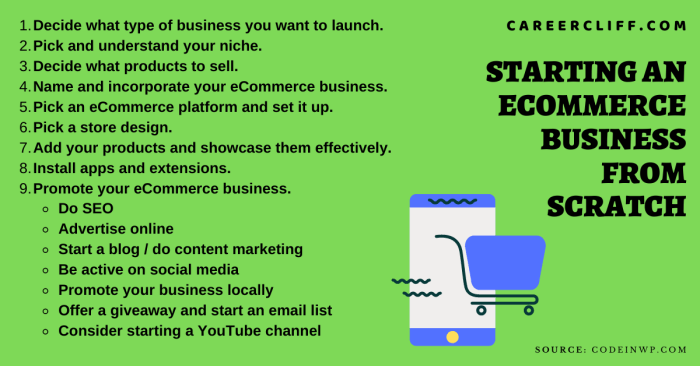
Starting an ecommerce business requires careful planning and execution. Setting up the foundation of your online store involves selecting the right ecommerce platform, choosing a domain name, setting up payment gateways, and designing a user-friendly website. Let's dive into the essential steps to get your ecommerce business up and running smoothly.
Choosing a Suitable Ecommerce Platform
When it comes to selecting the best ecommerce platform for your business, consider factors such as ease of use, customization options, scalability, and pricing. Some popular ecommerce platforms include Shopify, WooCommerce, BigCommerce, and Magento. Evaluate each platform based on your specific needs and budget to make an informed decision.
Selecting and Registering a Domain Name
Your domain name is a crucial part of your online store's identity. Choose a domain name that is easy to remember, relevant to your business, and reflects your brand. Use domain registration services like GoDaddy, Namecheap, or Google Domains to check the availability of your desired domain name and register it for your ecommerce business.
Setting Up Payment Gateways
To facilitate secure transactions on your ecommerce website, you need to set up payment gateways. Popular payment gateway options include PayPal, Stripe, Square, and Authorize.Net. Research the fees, security features, and compatibility with your ecommerce platform before integrating a payment gateway into your online store.
Creating a User-Friendly Website Design
The design of your ecommerce website plays a significant role in the overall user experience. Opt for a clean and intuitive layout, easy navigation, fast loading times, and mobile responsiveness. Consider hiring a professional web designer or using website builders like Wix or Squarespace to create a visually appealing and user-friendly online store for your customers.
Product Sourcing and Inventory Management
When starting an ecommerce business, one of the key aspects to consider is product sourcing and inventory management. This involves finding the right products to sell on your platform, maintaining accurate stock levels, managing suppliers effectively, and exploring dropshipping as a business model.
Strategies for Product Sourcing
- Research trending products in your niche to identify potential items to sell.
- Attend trade shows or connect with manufacturers directly to source products at competitive prices.
- Consider working with wholesalers or dropshipping suppliers to expand your product range.
Importance of Inventory Management
Maintaining accurate inventory levels is crucial for the success of your ecommerce business. It helps in:
- Preventing stockouts and ensuring timely order fulfillment for customers.
- Avoiding overstocking, which can tie up capital and lead to storage issues.
- Improving overall efficiency and reducing operational costs.
Tips for Managing Suppliers
- Communicate clearly with suppliers about your requirements and expectations.
- Establish mutually beneficial relationships by paying on time and providing feedback.
- Negotiate favorable terms and pricing to maximize profitability.
Benefits of Dropshipping
Dropshipping is a popular model for ecommerce businesses due to its advantages:
- Low upfront costs as you don't need to hold inventory or manage a warehouse.
- Reduced risk as you only purchase products when you receive orders from customers.
- Increased product variety by working with multiple suppliers without the need for large investments.
Marketing and Promotion

In the competitive world of ecommerce, effective marketing and promotion strategies are crucial for the success of your business. From optimizing product descriptions to leveraging social media, here are some key tips to help you grow your online presence and attract customers.
Optimizing Product Descriptions and Images
When it comes to selling products online, your product descriptions and images play a significant role in attracting potential customers. Here are some tips for optimizing them:
- Write clear and detailed product descriptions that highlight the key features and benefits of your products.
- Use high-quality images that showcase your products from different angles and in various settings.
- Include relevant s in your product descriptions to improve search engine visibility.
- Ensure that your images are optimized for fast loading times to enhance the user experience.
Role of Social Media Marketing
Social media platforms are powerful tools for driving traffic to your ecommerce website and engaging with your target audience. Here's how you can leverage social media marketing effectively:
- Create engaging content that resonates with your target audience and encourages them to visit your website.
- Use social media ads to reach a larger audience and promote your products to potential customers.
- Engage with your followers by responding to comments, messages, and reviews in a timely manner.
- Collaborate with influencers or brand ambassadors to reach a wider audience and increase brand awareness.
Significance of Email Marketing Campaigns
Email marketing is a powerful tool for customer retention and engagement. By sending targeted and personalized emails to your customers, you can nurture relationships and drive repeat purchases. Here's why email marketing is essential for your ecommerce business:
- Send personalized product recommendations based on customers' purchase history and preferences.
- Offer exclusive discounts and promotions to encourage repeat purchases and reward customer loyalty.
- Collect feedback from customers through surveys and reviews to improve your products and services.
- Keep customers informed about new product launches, sales, and events to stay top of mind.
Outcome Summary
In conclusion, starting a successful ecommerce business from scratch demands dedication, strategic planning, and a relentless pursuit of excellence. By implementing the insights and techniques Artikeld in this guide, you are poised to carve a niche for your brand in the competitive ecommerce landscape, driving growth and prosperity for your online enterprise.
Take the plunge, embrace the challenges, and watch your ecommerce dreams transform into reality.
FAQ Overview
What are some key benefits of dropshipping for ecommerce businesses?
Dropshipping allows businesses to sell products without holding inventory, reducing upfront costs and logistical complexities. It also offers a wide range of products to sell without the need for storage space.
How can digital marketing strategies benefit an ecommerce business?
Digital marketing strategies help in increasing brand visibility, attracting more traffic to the online store, and converting leads into customers. They also enhance customer engagement and loyalty through targeted campaigns.