
Embarking on the journey of Best ecommerce platforms for global sellers in 2025, readers are welcomed into a realm of insights and foresight, promising a unique and enriching exploration of the subject matter.
This guide will delve into the evolving landscape of ecommerce platforms, highlighting key features, popular choices, emerging technologies, and cross-border selling capabilities tailored for global sellers in 2025.
Overview of Ecommerce Platforms
Ecommerce platforms play a crucial role for global sellers by providing them with the necessary tools and infrastructure to reach a worldwide audience and conduct online transactions efficiently. These platforms serve as a virtual marketplace where sellers can showcase their products, manage inventory, process payments, and handle shipping logistics all in one place.
Key Features for Global Sellers
- Multi-language support: Global sellers require ecommerce platforms that can accommodate multiple languages to cater to a diverse customer base.
- International payment gateways: The ability to accept various payment methods from customers worldwide is essential for seamless transactions.
- Global shipping integrations: Integration with international shipping carriers is crucial for efficient order fulfillment and delivery across borders.
- Customizable storefronts: Sellers need the flexibility to customize their online store to reflect their brand identity and appeal to different markets.
- Analytics and reporting: Access to detailed analytics and reporting tools helps sellers track performance, analyze trends, and make informed business decisions.
Evolution and Trends for 2025
- AI-driven personalization: Ecommerce platforms are increasingly leveraging artificial intelligence to personalize the shopping experience for each customer based on their preferences and behavior.
- Augmented reality shopping: The integration of augmented reality technology allows customers to visualize products in real-world settings before making a purchase, enhancing the online shopping experience.
- Blockchain for secure transactions: The adoption of blockchain technology in ecommerce platforms ensures secure and transparent transactions, building trust among global sellers and customers.
- Mobile commerce dominance: With the rise of smartphone usage, mobile commerce is expected to dominate the ecommerce landscape in 2025, prompting platforms to prioritize mobile optimization and user experience.
Popular Ecommerce Platforms in 2025
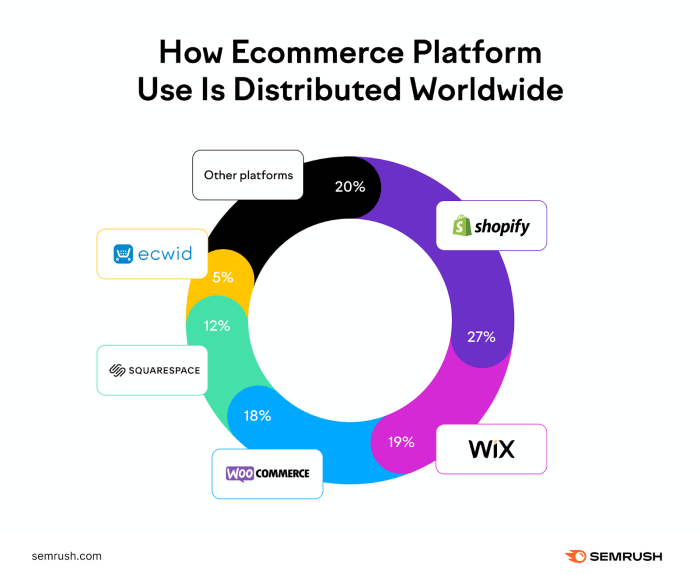
In 2025, global sellers have a plethora of ecommerce platforms to choose from, each offering unique features, pricing structures, and scalability options. Let's explore some of the top choices preferred by sellers worldwide.
1. Shopify
Shopify continues to be a dominant player in the ecommerce platform market in 2025. Known for its user-friendly interface and extensive app store, Shopify caters to businesses of all sizes. The platform offers various pricing plans, including basic, advanced, and enterprise options, making it scalable for growing businesses.
Customer service on Shopify is top-notch, with 24/7 support available through multiple channels.
2. WooCommerce
As a plugin for WordPress, WooCommerce is a popular choice for global sellers looking for a customizable and cost-effective ecommerce solution. WooCommerce is known for its flexibility and ability to integrate with a wide range of third-party tools and services.
While the core plugin is free, users may incur costs for additional extensions and themes. The user experience on WooCommerce is highly customizable, allowing sellers to create unique online stores.
3. BigCommerce
BigCommerce is another popular ecommerce platform in 2025, offering a robust set of features tailored for growing businesses. With built-in marketing tools, multi-channel integration, and responsive themes, BigCommerce provides sellers with the tools they need to succeed in the competitive online marketplace.
While pricing on BigCommerce may be slightly higher than other platforms, the scalability and performance make it a preferred choice for many global sellers.
Emerging Technologies in Ecommerce Platforms
AI and machine learning, blockchain technology, augmented reality, and virtual reality are revolutionizing the way ecommerce platforms operate and provide a seamless shopping experience for global sellers and buyers alike.
AI and Machine Learning Integration
AI and machine learning algorithms are being integrated into ecommerce platforms to personalize user experiences, optimize product recommendations, and streamline customer service processes. These technologies analyze vast amounts of data to understand customer behavior and preferences, enabling businesses to offer targeted promotions and enhance overall customer satisfaction.
Impact of Blockchain Technology
Blockchain technology is transforming global ecommerce transactions by providing a secure and transparent way to conduct financial transactions. By utilizing blockchain, ecommerce platforms can ensure the authenticity of products, track supply chain logistics, and enable peer-to-peer transactions without the need for intermediaries.
This technology enhances trust and security in online transactions, benefiting both sellers and buyers.
Role of Augmented Reality (AR) and Virtual Reality (VR)
Augmented reality (AR) and virtual reality (VR) technologies are reshaping the shopping experience by allowing customers to visualize products in a more immersive way. AR enables users to try on virtual clothing or see how furniture looks in their homes, while VR creates virtual storefronts for a more interactive shopping experience.
These technologies bridge the gap between online and offline shopping, providing customers with a more engaging and interactive way to shop.
Cross-border Selling Capabilities
Cross-border selling is crucial for global sellers as it allows them to reach a wider audience, tap into new markets, and increase their revenue potential. Ecommerce platforms play a vital role in facilitating cross-border transactions by offering a range of features and tools tailored to meet the needs of international sellers.
Features and Tools for Cross-border Transactions
- Multi-currency Support: Ecommerce platforms enable global sellers to display prices in different currencies, making it easier for international customers to shop.
- Language Localization: The ability to translate product listings and content into multiple languages helps to overcome language barriers and attract customers from diverse regions.
- Global Shipping Integrations: Integration with international shipping carriers and logistics partners streamlines the shipping process and ensures timely delivery across borders.
- Duty and Tax Calculators: Built-in tools for calculating import duties and taxes help sellers provide transparent pricing to customers and avoid any surprises at checkout.
Successful Cross-border Selling Strategies
- Market Research: Conducting thorough market research to understand the preferences, buying behaviors, and cultural nuances of target markets is essential for successful cross-border selling.
- Localized Marketing Campaigns: Tailoring marketing campaigns to resonate with the target audience in each region helps global sellers connect with customers on a personal level and drive sales.
- Customer Support: Providing multilingual customer support and addressing queries promptly in different time zones enhances the shopping experience for international customers.
- Optimized Product Listings: Optimizing product titles, descriptions, and s for local search engines improves visibility and attracts organic traffic from different regions.
Final Review
In conclusion, the world of ecommerce platforms for global sellers in 2025 is vibrant and dynamic, offering a plethora of opportunities for growth and success. Stay informed, stay ahead, and thrive in this exciting digital marketplace.
FAQ Explained
How important are ecommerce platforms for global sellers?
Ecommerce platforms are crucial for global sellers as they provide a digital storefront to reach a global audience, manage transactions, and streamline operations.
What are some key features global sellers look for in ecommerce platforms?
Global sellers seek features like multi-language support, multi-currency transactions, customizable storefronts, and robust shipping options.
How is AI integrated into ecommerce platforms in 2025?
In 2025, AI is used for personalized product recommendations, chatbots for customer service, and data analysis to optimize marketing strategies.
What are successful cross-border selling strategies used by global sellers?
Global sellers employ strategies like localized marketing, offering multiple payment options, providing transparent shipping costs, and ensuring excellent customer service.